
(audio included for paid subscribers)
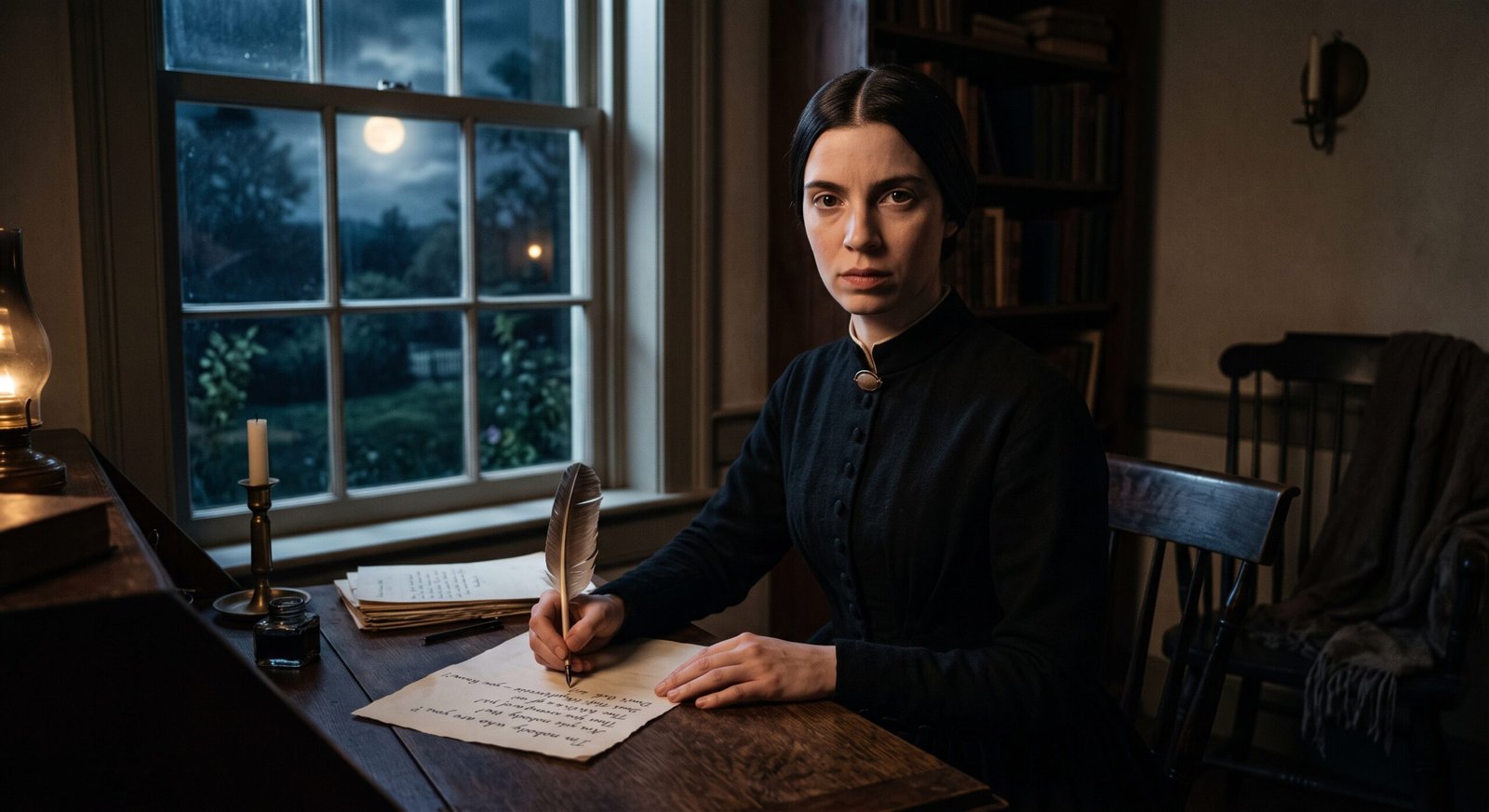
I’m Nobody! Who are you?
Are you – Nobody – too?
Then there’s a pair of us!
Don’t tell! they’d banish us – you know!
How dreary – to be – Somebody!
How public – like a Frog –
To tell one’s name – the livelong June –
To an admiring Bog!Emily Dickinson
It’s critical to your progress that you get past the idea that you know anything about anything. As Socrates supposedly said, “All I know is that I know nothing.” That’s not just some wiseguy spewing wiseguy sputum, that’s an actual dreamstate statement of fact; a universal falsification like “not-two” or “scram gravy ain’t wavy”. Knowing you know nothing is a basecamp at which you must arrive and acclimate before attempting further ascent. If you’re anything like everyone, you’re starting from deep in negative territory, so you have to get back to zero before you can hope to go positive. Your hand-me-down narrative is an inherited backstory no truer than any other. If you woke up tomorrow with a totally different memory package installed, your current narrative would be forgotten, and the new one would slip seamlessly into place. This could have happened five minutes ago for all you know; with memory management, anything is possible. For a brain wired to a cosmic mainframe, a new reality is just a keystroke away.
Log In or Register to Continue
"If I read a book and it makes my whole body so cold no fire can warm me, I know that is poetry. If I feel physically as if the top of my head were taken off, I know that is poetry. These are the only ways I know it. Is there any other way?"
Emily Dickinson
Born in Amherst, Massachusetts, Emily Dickinson (1830–1886) lived an intensely private life that yielded one of the most radical bodies of work in American literature. Though raised in a prominent, civically engaged family, she spent the vast majority of her adult years at her family home, eventually retreating into near-total seclusion in her bedroom.
From that confined physical space, Dickinson explored vast internal territory, writing nearly 1,800 poems. Her style broke sharply from Victorian conventions. Only a handful of her poems appeared in print during her lifetime, published anonymously and heavily altered by editors to match conventional 19th-century meter.
Dickinson carefully bound most of her manuscripts into private handmade booklets, left for her sister Lavinia to discover after her death. The gradual posthumous publication of her unedited manuscripts transformed Dickinson from an eccentric local recluse into an essential architect of modern poetry.