
(audio included for paid subscribers)
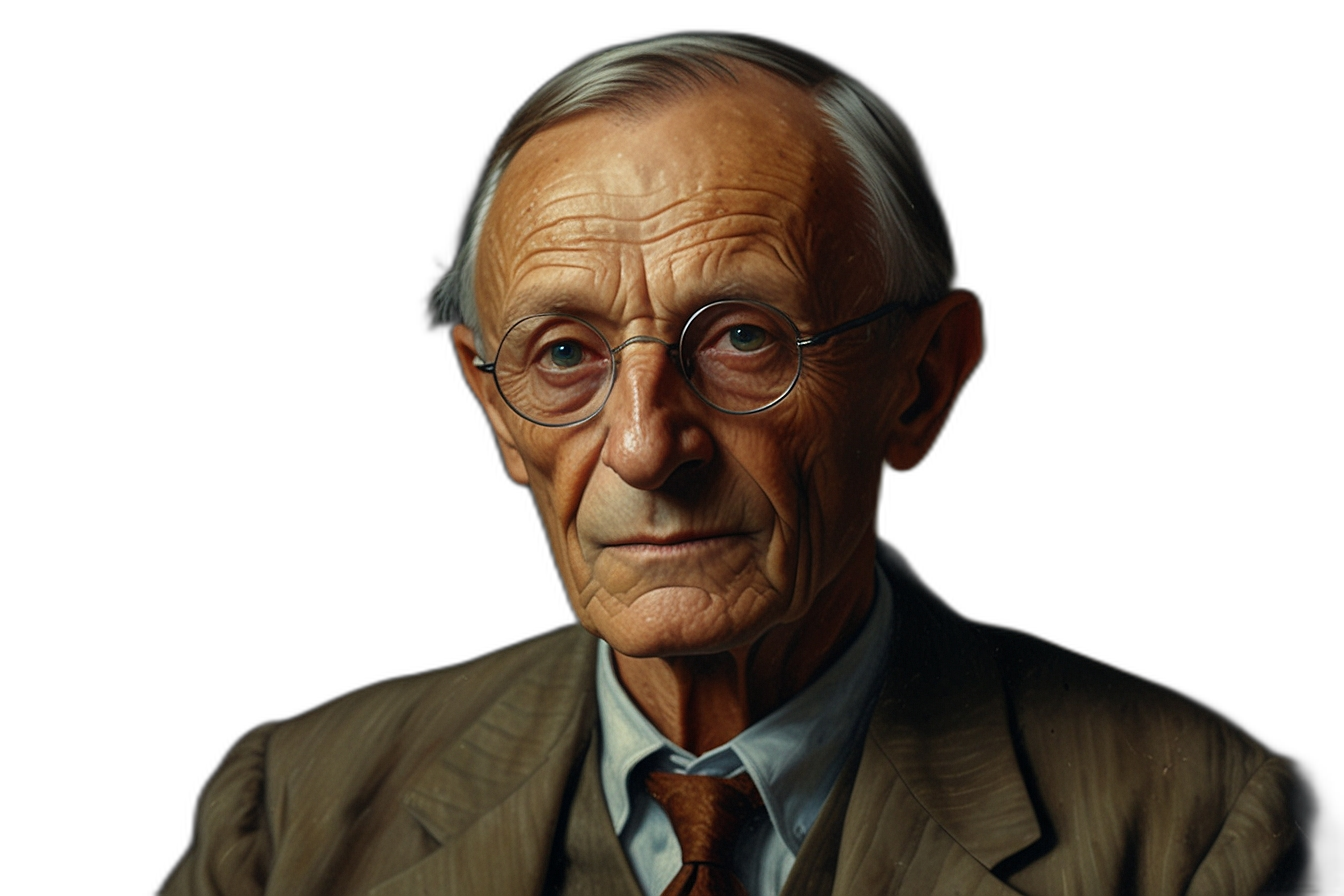
My story isn't pleasant, it's not sweet and harmonious
like the invented stories; it tastes of folly and bewilderment,
of madness and dream, like the life of all people who no
longer want to lie to themselves.Hermann Hesse
If God is such a jolly good fellow, why does he allow evil? This question is very near and dear to the hearts of many who seem genuinely perplexed by this seemingly impossible contradiction. If God is good, or God loves us, or we’re his beloved children, why does he allow us, or even condemn us, to suffer? For someone who loves us, he sounds like kind of a dick, so I guess that’s the better question: How can a supposedly loving god be such a dick?
Log In or Register to Continue
"There is no reality except the one contained within us. That is why so many people live such an unreal life. They take the images outside them for reality and never allow the world within to assert itself."
Hermann Hesse
Hermann Hesse (1877–1962) was a German-born Swiss novelist, poet, and painter whose works explore themes of individuality, spiritual seeking, and the quest for authentic selfhood. Raised in a strict, religious household, Hesse rebelled early against conventional expectations, a tension that later shaped much of his writing. His best-known novels — Siddhartha, Steppenwolf, Demian, and The Glass Bead Game — mix psychological insight with mythic and philosophical motifs. Influenced by Eastern religions, Jungian psychology, and his own lifelong journey through crises and self-inquiry, Hesse crafted stories that resonated deeply with readers navigating modern alienation. Hesse’s work remains widely read for its contemplative tone, its challenge to social conformity, and its insistence on the inner path as the human being’s true adventure.