
(audio included for paid subscribers)
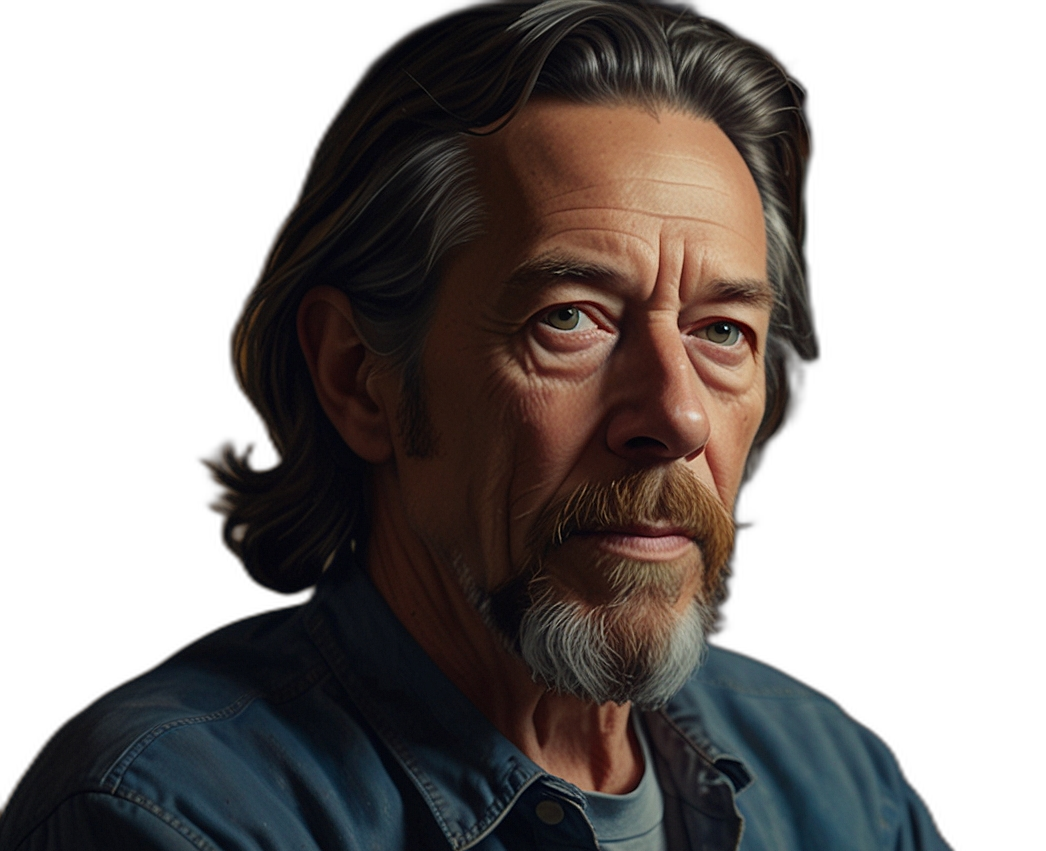
We see what we believe rather than what we see.
Alan Watts
The trick to suspending disbelief and settling comfortably into the movie of your life is not to question, not to look too closely, not to test the logic or run the numbers or be overly demanding of proof; in other words, we’re in a strictly enforced no-thinking zone. Tiptoe around the reasoning part of your brain like a rotting corpse. Shun thought like unripe fruit. Run from reason like a lava tsunami. Keep the sharp blade and pointy point of your brain in a scabbard and hang it in the back of the closet; wear it only for show, and for God’s sake, never expose the blade to light.
Log In or Register to Continue
"It is the seeker, who understands there is more than what meets the eye, who is not afraid and makes the choice to go into the unknown. The process of awaking has begun, the discovery is underway."
Alan Watts
Alan Watts (1915–1973) was a British philosopher, writer, and speaker best known for introducing Eastern philosophy—particularly Zen Buddhism, Taoism, and Advaita Vedanta—to Western audiences in a clear, engaging, and often playful way. Watts’ work emphasized the illusion of the separate self, the interconnectedness of all things, and the idea that life is not a problem to be solved but an experience to be lived. Known for his wit, warmth, and ability to translate complex spiritual ideas into everyday language, he helped shape Western interest in meditation, mindfulness, and nonduality. Some of his most influential books include The Way of Zen, The Book: On the Taboo Against Knowing Who You Are, and Tao: The Watercourse Way.